
We frame each dispatch around what changed, why it matters, and what to watch next in the cycle.
Finding a new place to live is exciting, but the paperwork and timelines can turn stress into confusion. A thoughtful approach helps you compare options, ask better questions, and arrive ready to settle in. Here’s a clear path forward. So you start comfortably and organized.
Clarify What You Need Versus What You Want
Good decisions start with honesty about daily life. It is easy to fall in love with a stylish kitchen or a dramatic view, then realize later that the layout makes mornings harder or the building policies don’t match your routines. Before touring, define what you truly need for comfort, work, rest, and basic logistics.
Think about noise tolerance, light, storage, and privacy. Consider how you cook, how you sleep, and how often you host. If you work from home, notice where a desk would fit and whether the space supports focus. If you rely on public transit, focus on walking routes and wait areas, not just distance on a map.
Be careful with “future self” fantasies. Renting is often about matching the next chapter of your life, not building a perfect long-term vision. The more your decision reflects your real schedule and habits, the less likely you are to feel trapped by a space that looks great online but feels awkward day to day.
Neighborhood Search Priorities That Fit Daily Life
Neighborhood Search Priorities should be rooted in how you actually move through a week. A neighborhood can be charming but inconvenient, or convenient but draining. Your goal is a place where daily routines feel easier, not harder.
Visit at different times if you can, and pay attention to sound, lighting, and general activity. Notice how safe and comfortable you feel walking from transit or parking to the building entrance. Consider grocery access, pharmacy access, and the kind of foot traffic you encounter. If you exercise outdoors, look for sidewalks, parks, and routes that feel inviting.
Also consider your comfort with the neighborhood’s pace. Some people enjoy constant activity. Others want quieter evenings. Neither is “better.” The best choice is the one that matches your rest needs and stress levels.
Ask questions that reveal how the building operates within the neighborhood. How are packages handled? How does trash pickup work? What happens when a visitor needs access? Small operational details can matter more than a headline amenity when you are living there every day.
Tenant Budget Planning Beyond the Monthly Price
Tenant Budget Planning is more than checking whether the monthly payment fits. It is about whether the full living setup is sustainable without constant tradeoffs. A place can seem affordable until you factor in utilities, commuting, laundry, parking, furnishings, and the everyday costs of settling in.
Budgeting also includes your ability to handle surprises. A flexible cushion can prevent stress if a job change happens, a medical bill arrives, or a necessary purchase comes up. While you cannot predict everything, you can avoid signing up for a situation where you have no room to breathe.
Here is a qualitative budgeting table that can help you think in categories rather than getting lost in exact numbers:
| Category | What to check | Why it matters |
|---|---|---|
| Utilities | What’s included, what you pay separately | Prevents “it’s more than expected” shock |
| Transportation | Parking, transit access, commute friction | Impacts time, energy, and daily costs |
| Upfront costs | Deposits, fees, move-in logistics | Helps you plan cash flow without scrambling |
| Living setup | Furniture needs, storage, laundry access | Affects comfort and day-to-day convenience |
| Flex room | Room for the unexpected | Reduces stress when life changes |
A final part of budgeting is opportunity cost. If a higher-cost place saves you commuting time and supports better sleep, it may improve your quality of life. If it forces you to cut essentials, it may increase stress. Aim for balance, not perfection.
Rental Application Preparation That Reduces Delays
Rental Application Preparation is where many renters lose time, not because they are unqualified, but because their information is incomplete or hard to verify. Preparation helps you move quickly when you find a place that fits, and it helps you present yourself as organized and reliable.
Before you apply, gather your identification documents and proof of income in the form commonly requested by housing providers. If you have a prior housing reference, consider asking whether they are comfortable being contacted. Make sure your phone can receive calls and that your email inbox is not filtering important messages.
Accuracy matters. Double-check names, dates, and addresses before submitting. Inconsistencies can create follow-up questions, and follow-up questions can slow approvals. When you communicate with a leasing office or owner, keep your tone professional and your responses prompt. You are not trying to perform. You are making it easy for the other side to confirm what they need to confirm.
If you anticipate a complication, address it directly and calmly. For example, if your income varies, you can explain the pattern and provide documentation that supports stability. If you have changed jobs recently, you can provide an offer letter and recent pay records if available. Transparency, framed professionally, is often more effective than hoping an issue will go unnoticed.
Lease Review Basics: Reading for Real-World Impact
Lease Review Basics are about reading with your daily life in mind. Instead of skimming, slow down and picture real situations. What happens if you need a repair? What happens if you need to travel? What happens if a neighbor is noisy? What happens if you want to renew?
Focus on policies that shape your day-to-day experience. Entry and notice policies matter for privacy. Repair reporting procedures matter for peace of mind. Rules on guests, roommates, pets, smoking, noise, and shared spaces matter for comfort and relationships. Payment policies matter for stress, especially around timing and methods. Renewal and move-out terms matter for your future flexibility.
If something is unclear, ask in writing for clarification. A polite question now can prevent a tense dispute later. Also pay attention to what is missing. If the lease does not explain a common scenario, ask how the building typically handles it.
Be wary of relying on verbal promises. If an amenity, a specific condition, or a special arrangement is important to you, ask for it to be written into the agreement or attached as an addendum. The goal is not distrust; it is clarity.
Security Deposit Awareness and Condition Proof
Security Deposit Awareness is ultimately about documentation and care. Many end-of-tenancy conflicts come from mismatched memories of how the home looked at move-in and what happened during the stay. You can reduce that risk by creating a clear, shared record.
At move-in, do a careful walkthrough and take clear photos and videos of surfaces that commonly get disputed. Focus on floors, walls, doors, windows, counters, fixtures, and appliances. Capture any existing marks, chips, stains, or wear. Send a written note promptly that lists what you observed, using neutral language. You are not accusing anyone; you are simply establishing a baseline.
During the tenancy, treat the home with reasonable care and report issues early. Early reporting can prevent damage from spreading, especially if moisture is involved. If something breaks through normal use, follow the repair request process rather than improvising a fix that could create more problems.
When you move out, clean thoughtfully and document again. Return keys and access devices according to the stated process. Keep your communication calm and factual, and keep copies of what you send. If the housing provider shares a move-out inspection process, participate respectfully and ask questions if something is unclear.
Practical Moving Readiness: Smooth Handover and Setup
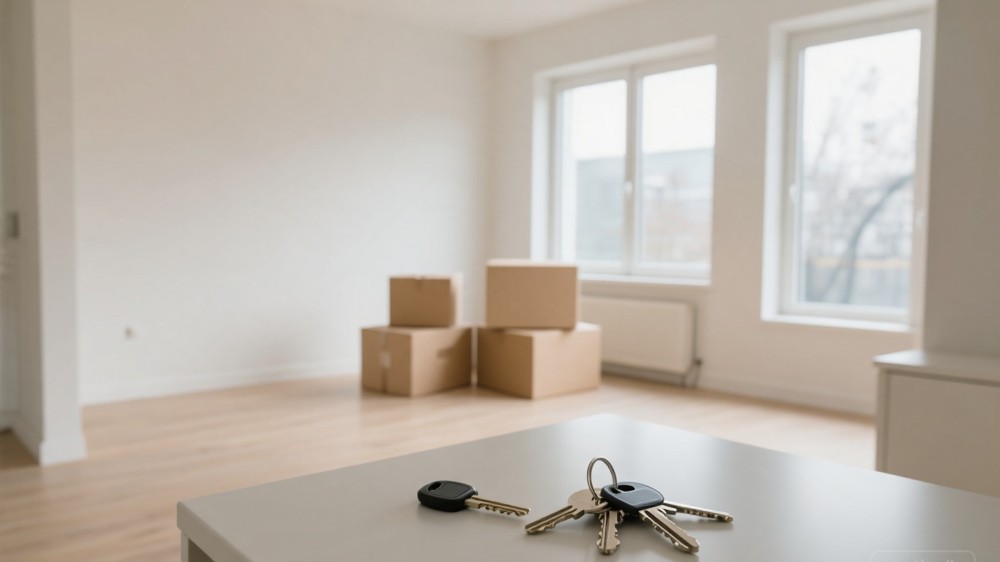
Practical Moving Readiness is less about rushing and more about reducing friction on moving day. A smooth move often comes from small preparations that protect your time and energy.
Confirm the move-in process ahead of time. Ask how you receive keys, where to park for unloading, and whether there are elevator reservations or building hours that affect access. If utilities need to be placed in your name, handle that early enough that service is active when you arrive. If you are using movers, share building instructions and access details so you are not fielding logistical questions while carrying boxes.
Also plan your first-night essentials. When you arrive tired, you will want basic items available without digging through everything. Think about bedding, toiletries, charging cables, basic kitchen needs, and any items required for work or school the next day. This is not about buying more; it is about packing in a way that supports a calm landing.
Finally, introduce yourself appropriately if the building culture supports it. A brief, friendly greeting to neighbors or building staff can help later if you need help with a package, a noise concern, or a maintenance question. Keep it simple and respectful.
Choosing Calm Over Rush
The best renting outcomes usually come from steady decision-making rather than speed. When you match the space to your real routines, prepare your paperwork, read the contract carefully, document condition, and plan a calm move-in, you reduce the most common sources of stress.
These Apartment Renting Tips are not about gaming the process or demanding perfection from a building. They are about helping you make clear choices and show up prepared, so your new home starts with fewer surprises and a more cooperative tone on both sides.
Questions and Answers
Q: What should I do if I feel pressured to sign immediately?
A: Ask for time to read the agreement carefully and to get questions answered in writing. A respectful housing provider should understand that signing a contract is a serious decision.
Q: How can I compare neighborhoods without overthinking it?
A: Tie your evaluation to your daily routine. Imagine commuting, grocery runs, evening noise, and weekend errands. If a place consistently makes daily life easier, it is usually a strong contender.
Q: If an amenity is important, how do I make sure I actually get it?
A: Ask for it to be reflected in the written agreement or a written addendum, especially if it changes what you are paying for or how you will live.
Q: What’s the most useful move-in documentation?
A: Clear photos and video, plus a short written note that lists existing wear in neutral language. Keep copies for your records and share them promptly.
Q: How do I keep a good relationship with the housing provider after move-in?
A: Communicate clearly, report issues early, follow the stated process for requests, and keep messages calm and factual. A predictable approach helps both sides resolve problems efficiently.